
My Japan Adventure: From Osaka sights to Tokyo Lights – A First Journey to Japan
Written by Turtle • Published May 31, 2023 • Updated March 16, 2026
A Snapshot of the Journey Ahead
- 7-Day Itinerary in Japan: Osaka, Kyoto, Hiroshima, and Tokyo
- Efficient travel tips including shinkansen times and JR Pass cost comparisons
- Street food, restaurants, vending machines and convenience store meals
- Practical tips for first-time visitors to maximize their adventure
Why Japan Has Been Calling Me
Some destinations sit quietly on our bucket list.
Japan, for me, never sat quietly.
For years, I’ve imagined walking the wondrous streets, riding the shinkansen (bullet train) across the country, indulging on authentic ramen, and experiencing a culture that that holds on to it’s ancient tradition while blending with futuristic ideas. When the opportunity finally arrived, I knew this wouldn’t be just another trip. It would be an adventure that I’d treasure in my memories for a lifetime.
Japan happened to be everything I expected and more, and I was surprised at how friendly they were to tourists. If you’re planning your first trip to Japan, or wondering what it’s like to travel there, come along with me as I share my journey through Osaka, Shin-Osaka, Hiroshima, Kyoto, and Tokyo.
Planning a Trip to Japan: Easier Than You Think
When it comes to Japan, we must ask ourselves what we are looking to do. We can easily go to Tokyo and fill an itinerary up with just Tokyo. However, if we are looking to explore we’ll need to think about how we will do that in Japan.
As with every trip, clarity comes with preparation. A little bit of research can help us look like a professional navigator to our friends. The goal of my trip was to explore as much of Japan as possible with the time I had available. To the drawing board I went.
Outlining the Trip for Japan
With a little over a week to explore, I knew I couldn’t do all of Japan. That much time could leave me in Tokyo if I tried to do as much as possible there. I used Spring Break to take my trip, so I could hopefully capture the Cherry Blossoms (Sakura) in bloom! I looked at the forecast for Cherry Blossoms and see they start south of Japan, and move their way north-east as the months go by. Thus my plan was to start somewhat Southeast, and make my way back to Tokyo.
When is the Best Time to Travel to Japan?
Japan’s seasons can hold a big penny tied to the time we travel there. While I knew I wanted to use my Spring Break to travel here, I did do research to see if I should do so in winter.
- Spring (March – May): This is the time of year many people aim for. Mild, warmer weather and the sakura in bloom around Late February – Early April make this time of year a brilliant time to visit. Flights and hotels know this so you’ll pay more money, but it truly is an amazing experience. If you want spring weather without the premium price, plan your trip before or after the season. I use the tracker from Kishou
- Summer (June – August): Many festivals, greenery is alive, and the cities are full of life. However, the temperatures are high and the humidity is in tandem. June and July will have frequent showers, while July and August will be crowded and Hot.
- Fall (September – November): Autumn Foliage is another grand time to visit Japan, although the tourists around will agree with that too! This time of year, the weather will begin cooling off due to the typhoons from September.
- Winter (December – February): This time of year is great cold weather, with fewer crowds to enjoy the country. Aside from New Years, which will have many shops closed for a while and great crowds during this time. Winter is typically the lower priced time to visit
I will say, there is never a best time to travel anywhere. There is always something amazing to experience, regardless of crowds and weather. I’ve decided to go during Cherry Blossom season, and I was happy with the money spent to witness this!
Building my Japan Itinerary
I’m not the biggest fan of sitting around, so I knew my trip was going to include mutliple cities. After playing with plans and hoping the forecast stayed true, I decided on an itinerary.
Shin-Osaka → Osaka → Kyoto → Hiroshima → Mt. Fuji → Tokyo
Each city offered a completely different personality:
- Osaka’s delicious offerings of food while staying quaint and cozy
- Shin-Osaka’s quiet, almost neighborhood feel
- Kyoto’s introduction to a busier side of Japan, while having beautiful scenes to unfold
- Hiroshima’s sombering reflection
- Tokyo’s vibrant bustle of life
As mentioned earlier, I planned on starting in Osaka and moving through Japan to Tokyo. Hiroshima is farther west than Osaka, so you might be wondering why Osaka? From my research, it was a central spot to choose for maximum time to explore, with minimum time on trains every day. I split the trip into two parts, the first part where I stayed in Shin-Osaka for a few days, and then the second part where I stayed in Tokyo for the remainder of time. During my stay in Shin-Osaka, I’d go to Osaka, Kyoto, and Hiroshima. I had a day planned for Mt. Fuji, and then the rest of my time in Tokyo.
This itinerary was chosen so we could see cherry blossoms as we travelled through Japan. They typically bloom and flower beginning from the southwest of Japan, and move north-east allowing us to see them in Osaka, and as we move east continue seeing them as we end our trip in Tokyo.
We now have our outline for Japan. Spring for Cherry Blossom season and due to Spring Break being during this time for me. An itinerary of seeing Shin-Osaka, Osaka, Hiroshima, Kyoto Mt. Fuji and Tokyo in 8 days is what we have. Now we can begin looking at transportation and costs for our trip.
Is Japan Expensive: A Quick Cost Overview
After some digging, I found out what going to Japan would cost me. I flew from New Orleans International Airport (MSY) to Narita International Airport (NRT) for $1,700.
Japan can definitely be travelled for a lower price, but the biggest price variance is Airfare
Round-Trip Flights to Japan vary widely based on departing city, season, and how early you book. In my booking, college tied my time up and caused me to book later than I planned. This caused my flight’s price to be double the price I originally was going to pay.
Typical prices from the United States consist of:
- $700 – $1,000 for excellent deals and early booking
- $1,000 – $1,400 on average
- $1,500+ during peak season or last-minute bookings (This is where I booked sadly)
With flight included, my trip to Japan cost me just about $3,500
Costs Beyond the Flight
Once our highest expense is secured, Japan is quite affordable.
Lodging in Japan was found for less than $100 per night during my stay. The locations I chose were the APA Hotel Shinosaka Eki Tower for April 8th – 11th and Tokyo’s Hotel Metropolitan Edmont for April 12th until we left Japan on April 15th. After taxes, I spent just about $450 splitting lodging with my buddy for a week. Both locations were close proximity for train station access.
Eating in Japan was a luxury on a budget! Most options for food were easily less than $10 and very decent portions provided for meals.
Here’s a breakdown of most meals in Japan:
- Convenience Store or Quick Eats about $5 – $8
- Most restaurants and Ramen Shops $8 – $12
- High-End Experiences can jump in price quickly, such as Wagyu Beef. There are so many options under $15 that are absolutely delicious and filling though!
Japan makes eating super easy and affordable. Everything I’ve had was delicious and filling and easily could have a daily budget of $20. I was surprised to find drinks at vending machines for $1, food options for $2 or $3 which left me money from my daily food budget.
Below is a table highlighting my 7-Day Itinerary to Japan Cost Breakdown, excluding the flight.
| Item | Cost (¥) | Cost ($) | Notes |
| Accomodation | ~¥141,360 | ~$900 | Hotel Stay for 7 nights. |
| Meals | ~¥3,000 per Day | $140 | $20 per day Budgeted |
| Transportation (JR Pass) | ~¥38,000 | $240 | 7-Day Rail Pass with Shipping Documents |
| Transportation (Without JR Pass) | ~¥70,680 | ~$450 | Budgeted Transportation costs if no Rail Pass |
| Total with JR Pass | ~¥204,200 | $1,300 | |
| Total without JR Pass | ~¥235,600 | $1,500 |
Entering Japan: Visa Requirements, Arrival Tips, & What to Expect
One of the biggest questions asked when travelling abroad is How difficult is it to enter? For Japan, the process is super easy and smooth.
For travelers from the US and many other countries, Japan offers visa-free entry for short-term tourism stays for up to 90 days.
What we need:
- A Valid Passport
- A return ticket
- Conpleted arrival and customs information
Most flights will have the arrival and customs form for us to fill out before landing, but we can also go to Visit Japan Web to take care of this process ahead of time before departing for our flight, and have the codes ready for when we arrive in Japan.
Upon landing. the airport signage is clear and the process is very organized and in my experience quick to go through.
Helpful Arrival Tips:
- Make sure your passport is valid for the duration of your stay
- Keep your hotel address(es) handy for entry forms
- Ensure funds to support your stay are accessible
Entering Japan was less stressful than some domestic flights I have taken, and that makes the aftermath of a 14+ hour flight better to handle.
Getting Around Japan: Trains, Rail Passes & Transportation Tips for First-Time Visitors

When it comes to transportation, it is hard to beat Japan’s system. My biggest surprise in Japan wasn’t the food or temples, it was how easy it is to get around!
When preparing for Japan, their transportation system can seem quite intimidating with complex rail maps, station names, and navigating massive cities in another language. In reality, Japan’s system was the most efficient and traveller-friendly transportation systems I’ve experienced. Most subways and train stations have english signage to navigate. When there are kiosks to use for rails, there is a button on the screen to change the language which makes that process easy and simple.
Let’s dive into using the transportation system together
Japan Rail Pass: My Biggest Travel Tip in Japan
If you plan on visiting many cities on your adventure to Japan, the Japan Rail Pass is a must!
With prices for a Shinkansen ride ranging from ¥500 ($3) – ¥30,000 ($200), the Japan Rail Pass makes sense to purchase. This starts at a 7-day pass for $332, 14-day for $531, and 21-day for $665 [updated March 2026]. (Prices from 2023 were 7-day $219, 14-day $319, 21-day $444)
Landing at Narita International Airport in Tokyo, the Shinkansen to Osaka would have cost ¥17,500 ($110), going back to Tokyo would put me at $220 spent which already meets the cost of the JR Pass!
With the pass, you will still need to visit the shinkansen kiosk and “book” your seats, but it will save money if travelling to multiple cities of Japan. If you plan on just staying in one area, then the Rail Pass would not be worth it. The local trains and subways are relatively low in price, and the Rail Pass only covers JR Lines and most shinkansen lines. Two excluded shinkansen lines from the pass are Nozomi and Mizuho.
If your trip seems like the JR Rail Pass might be worth it, you can get it by going to JR Rail Pass.
You must purchase this in advance of your trip, and allow time for the documents to be shipped to you. The documents allow you to obtain the pass once you are in Japan, which we will go over in the Airport Transfers and First-Day Navigation portion
The Shinkansen: Japan’s Famous Bullet Train

If there is one experience that defines travel in Japan, it is the experience of the Shinkansen.
These trains are clean, surprisingly quiet, and impeccably punctual. The Shinkansen connects major cities across the country at high speeds for quick travel and comfort. I enjoyed watching the scenes out of the window as I made my way from one area to another and this would be one of my favorite memories from Japan.
One of the biggest advantages of choosing Shin-Osaka was how easily I could explore other cities using Japan’s famous Shinkansen. From Shin-Osaka Station, several of Japan’s iconic destinations are a short ride away. Whether visiting the Bamboo Grove in Kyoto, reflecting on history in Hiroshima, or experiencing the massive city of Tokyo, the speed and convenience of the Shinkansen made traveling across Japan simple. Below is a table for approximate Shinkansen travel times to some of the major cities in Japan.
| Route (Shinkansen) | Travel Time | Train Line | Price (Without JR Pass) |
| Tokyo → Shin-Osaka (Shin-Osaka Station) | ~4 hours 30 minutes | Tokaido Shinkansen | ¥15,020 (~$110) |
| Shin-Osaka → Kyoto (Kyoto Station) | ~30 minutes | Tokaido Shinkansen | ¥3,080 (~$20) |
| Shin-Osaka → Hiroshima (Hiroshima Station) | ~1 hour and 30 minutes | Sanyo Shinkansen | ¥10,950 (~$70) |
Buying the JR Pass for $219 saves us money on this trip. Staying in Shin-Osaka was to make use of it being a gateway to other cities. My itinerary calls for leaving Tokyo for Shin-Osaka, then leaving from Shin-Osaka to other cities and returning, then finally returning to Tokyo. This means I am paying the price twice per day, without the JR Pass.
For the price comparison, Tokyo to Shin-Osaka and back would be $220. The Shinkansen to Kyoto and returning to Shin-Osaka puts us at $40, and then going to Hiroshima and returning is another $140. That is $400 on train rides, with the JR Pass saving me $180. Plus, I could have taken the shinkansen as many times as I wanted with the JR Pass, more than exceeding the savings amount.
Here are a few tips for riding the Shinkansen:
- Know which station you are going to – Tokyo Station to Shin-Osaka Station – we’ll use the kiosk to find the ticket
- When we get to the kiosk, search the station we are going to and it will display various lines if there are more than one as well as times and capacity on the train. Pick time and your seat and grab the ticket it prints for you. It should tell you the platform you should go to.
- We’ll enter the station by going to the automated gates for the station. Put your Rail Pass (if you have one) OR Ticket for the ride into the slots, and you’ll walk through picking these up at the end of the gate. (If you have the Rail Pass. just put the Pass into the gate, the ticket is for staff and verification of seat)
- Head to the platform that your train will be at, and go to the car Number you will be in. Car numbers may be on a sign above you, but almost always on the platform floor.
- When you’ve arrived at your destination, insert your JR Pass (if you have one) and ticket into the automated gate. It will keep your ticket for the shinkansen, and put your pass to be picked up at the end
Arrive a little earlier so you can coast through the station instead of trying to rush through. Take in the experience of travelling in Japan and enjoy the moment. Travelling this way made the days relaxing instead of stressed-out madness!
Whether you get the JR Pass or not, I highly recommend getting on the shinkansen at least once for the experience!
Travel Tip: If riding the shinkansen’s Tokaido line, you’ll want to book Seats D or E for ordinary cars, or Seats C or D for Green Cars for a view of Mount Fuji!
Using Trains and Subways Inside Japanese Cities
While the shinkansen is excellent for connecting to major cities, local trains and subway systems handle our daily exploration.
Cities like Osaka and Tokyo rely heavily on public transit to get around. It can be a bit daunting at first, but to me it quickly became easy to navigate.
What helps the most:
- Google Maps – this will provide accurate train information for schedules, routes, and platforms to take.
- Most stations have English signage alongside Japanese, They will have kiosks but you choose the line and Yen price to pay for the ride as opposed to the shinkansen’s search (Smaller or local stations may only have Japanese signage)
- Similar to the shinkansen, trains and subways were very held to the same standards of cleanliness and safety.
Even during busy hours, the system moved efficiently.
I may be a sucker for public transportation, so I prefer it over renting a car or getting taxis/uber to destinations when I can help it! Especially when it can be as efficient and seamless as Japan makes it!
IC Cards: The Secret for Easy Travel
If you don’t want to dig around for coins to use at subways and stations, get an IC card like Suica or Pasmo, or download the app to your phone.
These rechargeable cards allow us to:
- Tap in and out of trains and busses
- Avoid buying individual tickets
- Pay at vending machines and convenience stores
It simplifies daily travel, and auto deducts based on the tap in and tap out locations. I honestly loved pulling coins out to use for the trains, but perhaps you may prefer a streamlined approach.
Airport Transfers and First-Day Navigation
After a long international flight, the last thing anyone wants is confusion leaving the airport.
Japan excels in this department very wrll! Major airports offer clear train connections directly into city centers, and staff will help you find the way if you need it! There are posted signs in English making this part super easy to do, even while adjusting to the language barrier.
Plan your transfer ahead, when I went to Narita International Airport, I knew that I had some items to take care of before departing the airport.
Things to handle before leaving the airport:
- Baggage Claim – Since we’ll be going through customs we’ll need to get our baggage before moving on
- Currency Exchange – you may have opted for currency exchange before taking your flight here. If we have not, this should be the first thing we do. Japan is a cash heavy country and we’ll need it!
- Luggage Shipping – Japan offers luggage shipping services so we can leave the airport without our luggage and have it in our hotel in roughly a day or two. This service’s price is dependent on your bags, and distance to ship.
- JR Pass Pickup – If you purchased the JR Pass, we can now pick this up using our documents providing proof of purchase and our passport. If it is busier, you can leave the airport and claim the pass at another station. The pass will activate once you submit the documents and they hand you the pass from the JR Pass Kiosk.
Plan ahead before leaving for your flight, know the airport you’ll be landing at and look for the lines you’ll be using to get around when you are leaving the airport. If we know we’re heading to Osaka, we should not be heading towards the shinkansen line Shin-Hakodate. We should be looking for the Tokaido line. A little search before getting there will alleviate a lot of stress and headaches on our journey.
Shin-Osaka & Osaka Travel Guide: First Impressions, Food and Exploring Den Den Town

After landing at Narita International Airport, I made way to grab my JR Pass then boarded the Shinkansen to begin the journey west to Shin-Osaka for my first true experience in Japan. I was beyond excited to finally be here.
The trip from Narita to Shin-Osaka takes about 4.5 hours, but the ride felt comfortable — especially compared to the long flight that brought me across the Pacific. The seats on the Shinkansen were far more comfortable than the ones on the plane, and the journey quickly became part of the adventure itself.
Some people might ask why I didn’t simply fly into Osaka. The answer mostly came down to price and timing. Many flights into Osaka were at least $400 more expensive, and most still required a connection through Tokyo. When factoring in gate transfers and wait times, I would have arrived in Osaka at roughly the same time anyway — and after a 14-hour flight, I was more than ready for a break from airplanes.
Taking the Shinkansen turned out to be a wonderful decision. The scenery along the way was mesmerizing, with views of Japan’s coastline and mountain landscapes passing by outside the window. Sadly, Mt. Fuji decided to hide behind the clouds that day, but the journey still made it clear why the Shinkansen is such an iconic way to travel across Japan.
We arrived in Shin-Osaka at around 9:00 PM, just enough time to check into the hotel and search for our first meal in Japan. The answer quickly became obvious — Japan’s famous 7-Eleven.
At first glance it looked like a typical convenience store, but it was incredibly clean and the food options were quite impressive. I grabbed a pork noodle dish, several baked snacks, and a few drinks — all for under ¥1,000 (about $10). Everything tasted fantastic, and it immediately made me excited for the food adventures waiting throughout the rest of the trip.
Exploring Osaka from Shin-Osaka Station: My Gateway to Travelling Japan
Shin-Osaka would be my base for half of the time I would be exploring Japan. This spot was selected due to it being a great travel hub via Shin-Osaka Station.
Shin-Osaka Station is one of the major transportation hubs in western Japan and serves as the primary Shinkansen station for the Osaka area. Many travelers pass through here when arriving from cities like Tokyo, Kyoto, Hiroshima and many other major destinations across Japan. The station itself is large but well organized with clear signage, restaurants, convenience stores, and direct connections to Osaka’s subway lines.
Walking Through Shin-Osaka Into Downtown Osaka: Exploring the City Streets and Cherry Blossoms
The next morning, I decided to begin the day with a relaxing walk around Shin-Osaka after grabbing breakfast from the nearby 7-Eleven. The morning air was calm, and the streets were surprisingly peaceful for such a large city. It gave me a chance to take in my surroundings and slowly ease into my first full day in Japan.
While wandering through the neighborhood, we came across a small Hokora shrine, one of the many tiny roadside shrines scattered throughout Japanese cities. Nearby stood a beautiful cherry blossom tree, one of the first blossoms I would see during the trip. Even though Shin-Osaka is primarily known as a transportation hub, this quiet morning walk showed a different side of the area — one that felt calm, welcoming, and surprisingly livable.

After exploring Shin-Osaka for a couple of hours, we decided to continue our walk toward downtown Osaka by crossing Shin-Yodogawa Bridge, which stretches across the Yodo River. The walk itself became part of the adventure, offering views of the river and the surrounding city skyline.
As we made our way further into Osaka, we passed by the Kuchu Teien Observatory, located at the top of the famous Umeda Sky Building. The streets were beginning to come alive with people heading to work, shops opening for the day, and restaurants preparing for lunch service.


Along the way, we occasionally spotted sakura trees scattered throughout the city, sometimes standing alone and sometimes in small clusters of two or three. Even these small glimpses of cherry blossoms added a sense of excitement to the walk.
Eventually we reached Oebashi Bridge, and the view that greeted us there was absolutely stunning.

From the bridge, we discovered a beautiful stretch of sakura trees lining the riverbanks, their pink blossoms reflecting across the water below. It felt like one of those travel moments you never plan but end up remembering long after the trip is over. I had no idea this location even existed, which made the discovery even more special.
Although we stumbled across this spot by accident, I later learned that Osaka has several famous cherry blossom viewing areas. Two of the most well-known locations are Sakuranomiya Park near Sakuranomiya Bridge and the grounds surrounding Osaka Castle, both considered some of the best places in the city to see sakura during spring.
After enjoying the view for a while, we continued our walk deeper into the city. Along the way we stopped at Ikasuri Shrine and Aramitsu Inari Daimyojin Shrine, two peaceful shrines tucked within the busy streets of Osaka. Both were wonderful places to pause, take in the atmosphere, and appreciate the small cultural details that make exploring Japanese cities so rewarding.


Eventually hunger caught up with us, and it was time to find some food. Unfortunately I can’t remember the exact name of the restaurant we stopped at or which gachapon center it was connected to, but the meal was absolutely delicious.
After eating, we spent some time exploring the nearby gachapon machines, which are incredibly popular across Japan. I tried my luck on a Yu-Gi-Oh themed machine that dispensed duel disk rings, another machine offering mystery bags where I hoped to win a Pepsi tote bag, and a few other fun capsules.
This small stop would end up becoming a preview of what was still ahead, as our adventure was slowly leading us toward one of Osaka’s most famous districts for gaming, collectibles, and pop culture.
Exploring Den Den Town: Osaka’s Anime, Gaming and Gachapon District
No trip to Osaka would have been complete without visiting Den Den Town, the city’s famous hub for anime, gaming, and collectibles. From the moment I stepped into the district, the streets were alive with colorful storefronts, bright signage, and the unmistakable energy of fans exploring everything from rare figurines to the latest video games.
What struck me immediately was the sheer variety of gaming shops. Each store offered something different — retro consoles, the newest releases, card game tournaments, and even niche machines like Yu-Gi-Oh duel disk sets. For a gamer or collector, it felt like stepping into a paradise where every turn revealed something new and unexpected. Honestly, in terms of sheer selection, I found Den Den Town to surpass Akihabara in Tokyo — the variety of shops and collectibles available here was astonishing, unlike Akihabara’s heavy offerings of specific adult-themed content.
Beyond the gaming and collectible stores, the area also offered plenty of street food to keep energy levels high while exploring. From savory takoyaki and okonomiyaki to sweet treats tucked into small stalls, every bite was a reminder of how Osaka has earned its reputation as Japan’s kitchen, and it smelled incredible! Strolling the streets while snacking and browsing shops made the experience feel vibrant yet intimate — a perfect balance of culture and entertainment.
While wandering through Den Den Town in Osaka, I couldn’t help but notice the mix of tourists and locals alike, all sharing the same excitement for the district’s offerings. It was easy to spend hours here without running out of things to see or do. Every shop felt like a treasure trove, and the thrill of discovering unique items, limited-edition collectibles, and quirky finds made this one of my most memorable stops in Osaka.
For anyone planning a trip, Den Den Town is a must-visit destination in Osaka. Whether you’re a fan of anime, a collector of rare merchandise, or just looking to soak up one of Japan’s most colorful neighborhoods, this district delivers an experience that is both fun and unforgettable, and in my opinion is better than Akihabara.
Exploring Kyoto: Temples, Arashiyama Bamboo Grove and Scenic River VIews

Kyoto immediately captured my heart. Compared to Osaka, I found the scenery here even more beautiful, and of course, the city is renowned for its delicious food. After a 30-minute shinkansen ride, I wandered through the streets of Kyoto, eventually arriving upon the Kamo River which was absolutely gorgeous.
Although the day didn’t go exactly as planned, the view along the river made every step worthwhile. As the evening approached, we stumbled upon Goeido-mon Gate of the Higashi Hongan-ji Temple, which was a wondrous and tranquil spot, a perfect introduction to Kyoto’s mix of history and serenity.


Arashiyama Bamboo Grove and Panoramic Views of Kyoto
On my second day, I ventured to the Arashiyama Bamboo Grove, one of Kyoto’s most iconic attractions. Walking through the towering bamboo stalks was like stepping into another world. The rustle of leaves. along with the periodical bamboo stalk hitting another added to the magical atmosphere.


From atop a nearby mountain off the trail, I was treated to a panoramic view of Kyoto. Later, following the trail I came across a breathtaking view that I almost passed up. A rainbow stretched across the skyline above the river, with the sloping sides of the surrounding mountains making the moment unforgettable — one of my favorite sights from the entire Japan trip. This visit also included stops at the Nonomiya Shrine and Mikami Shrine adding layers of history and culture to the experience. Words can’t fully capture the beauty I witnessed, and the photos barely do it justice.


Kyoto Street Food: Taiyaki, Pork Katsu and Local Eats

Kyoto is a paradise for food lovers. During my visit, I tried taiyaki, a fish-shaped pastry filled. One red bean and one custard, and it was far more delicious than I imagined. Having seen taiyaki in countless anime, tasting one in Kyoto felt like stepping into the shows I had admired.
Later, I enjoyed a hearty pork katsu dinner, which paired perfectly with the day of walking that we did. Kyoto’s streets are filled with delightful local snacks and street food, making it easy to explore while sampling the city’s culinary offerings.
Visiting Hiroshima: Peace Memorial Park, Hiroshima Castle, and the Atomic Bomb Dome
Hiroshima Castle

My day in Hiroshima began with a visit to Hiroshima Castle, one of the city’s most recognizable historic landmarks. Walking through the surrounding grounds was a powerful experience. In several areas, only the stone foundations of former buildings remain, serving as quiet reminders of the destruction the city endured during World War II. Seeing these foundations — where entire structures once stood — left a lasting impression.
When I arrived at the castle itself, I was amazed by how beautiful the site was. The admission fee was around ¥300, making it an affordable and worthwhile stop for anyone visiting Hiroshima. Inside the castle museum, visitors can explore exhibits showcasing the history of Hiroshima Castle, including displays of samurai armor, katana swords, and traditional weaponry used during Japan’s feudal era.
Before leaving, I paused to admire the scenic bridge leading toward the castle, which made for a perfect photo opportunity. Nearby, there is also Hiroshima Gokoku Shrine nearby worth visiting, adding another peaceful and reflective moment to the experience.


Foundations that remain at Hiroshima Castle
Hiroshima Peace Memorial Park and the Atomic Bomb Dome
After visiting Hiroshima Castle, I made my way toward one of the most important historical sites in Japan: Hiroshima Peace Memorial Park. Walking through the park carries a deep emotional weight, as it stands as a tribute to the victims of the atomic bombing and a symbol of peace for the world.

One of the most striking landmarks within the park is the Atomic Bomb Dome, a UNESCO World Heritage Site that has been preserved as a reminder of the devastation the city once faced. Seeing the structure in person was both mesmerizing and sobering. It stands as a powerful symbol of Hiroshima’s history and resilience.

Continuing through the park, I visited the Eternal Flame of Peace, which burns with the hope that nuclear weapons will one day disappear from the world. Nearby, the Peace Memorial Fountain creates a beautiful and reflective atmosphere. While Hiroshima today is a vibrant and welcoming city, these memorials ensure that its history and message of peace are never forgotten.
Trying Hiroshima Okonomiyaki: A Local Culinary Specialty
After taking in the historical sites and powerful atmosphere of Hiroshima, it was time to experience one of the city’s most famous dishes: Hiroshima-style okonomiyaki.
Okonomiyaki is often described as a savory Japanese pancake, but the Hiroshima version is uniquely layered with cabbage, bean sprouts, noodles, egg, and meat. Watching it being prepared and then tasting it for the first time was an experience I highly recommend to anyone visiting Japan.
My meal cost about ¥1,100, and it was surprisingly filling. I’m not someone who gets full easily, but this dish absolutely did the trick. Beyond the historical landmarks, Hiroshima’s food scene is another reason the city is worth visiting, and trying okonomiyaki is a must for any traveler.
Exploring Tokyo: Anime, Landmarks, and Iconic Attractions


Tokyo is a massive and vibrant city, full of contrasts. While it wasn’t my favorite compared to Osaka, Kyoto, or Hiroshima, there were pockets of the city that I truly enjoyed. The food throughout my adventure was consistently delicious, as expected in Japan, and exploring neighborhoods like Akihabara, Shibuya, and Yokohama made the city feel alive with energy.
I planned on making way to Mount Fuji before Tokyo, but unfortunately the train lines would decide I could not on this trip. Fortunately, I was able to see Mt. Fuji from the shinkansen on my way to Tokyo, and that experience was more than enough!


Akihabara: Japan’s Anime and Electronics Hub
On my first day, I made way to Akihabara, Tokyo’s famous district for anime, electronics, and gaming culture. Known for its countless anime shops, maid cafes, and eateries, Akihabara is a must-visit for fans of Japanese pop culture.
I enjoyed browsing the shopping centers and picked up a Love Hashira figure from Demon Slayer, but I noticed a large number of adult-oriented stores in the area. While some fan service stores were interesting, many felt less family-friendly, making Osaka’s Den Den Town a better alternative for high-quality anime figures, gacha machines, and family-friendly shopping.
Walking around, it was clear that Akihabara is visually impressive, with vibrant storefronts and heavy advertising for maid cafes. For anime merchandise enthusiasts, it’s a must-see, but I recommend tempering expectations for quality figures and variety.
Pokemon and Nintendo Adventures in Tokyo
Tokyo offers two standout locations for Pokemon and Nintendo fans.
The first Pokemon Center is a 20-minute walk from Akihabara. While not the iconic Mewtwo center, it still offers a great experience. I picked up a Togepi plush, though I couldn’t find the original starters (Bulbasaur, Charmander, or Squirtle).
The next day, I visited the Pokemon Center within a shopping complex by Shibuya that also houses a Pokemon Cafe and Nintendo Store. Here I captured a photo of Mewtwo and picked up Pikmin plushes. The Nintendo Store featured Mario, Legend of Zelda, Animal Crossing, and Pikmin merchandise, as well as small anime-themed stores. The shopping center also had impressive displays like 8-bit Mario, Luffy from One Piece, and Ryu from Street Fighter. It was one of the highlights of Tokyo for me.


Iconic Tokyo Landmarks: Shibuya Crossing & Godzilla Statue
No Tokyo visit is complete without Shibuya Crossing, one of the world’s busiest pedestrian intersections. Observing the massive flow of people was mesmerizing, and capturing photos with both the crowd and empty crossings provided a unique perspective. I almost didn’t notice I was here, until I saw the influx of traffic and the familiar sight played before my eyes!
Nearby, the Godzilla statue added another fun photo opportunity, especially with a perfectly placed Super Mario movie ad below it — a little humorous Tokyo moment amidst the chaos.

Yokohama: Gundam Statues, Yokohama Red Brick Warehouse and The Flower Garden


Tokyo also offers an incredible experience for fans of Gundam mecha. I visited the Unicorn Gundam statue in Tokyo and marveled at its size and detail, though I wasn’t previously a Gundam fan.
Later, I traveled to Yokohama to see the moving Gundam at Gundam Factory. My buddy went in the factory to watch the Gundam move on the platform, while I took photos from outside. The Yokohama Gundam Statue has since been dismantled, which means I’ve witnessed a moment of history in Japan!


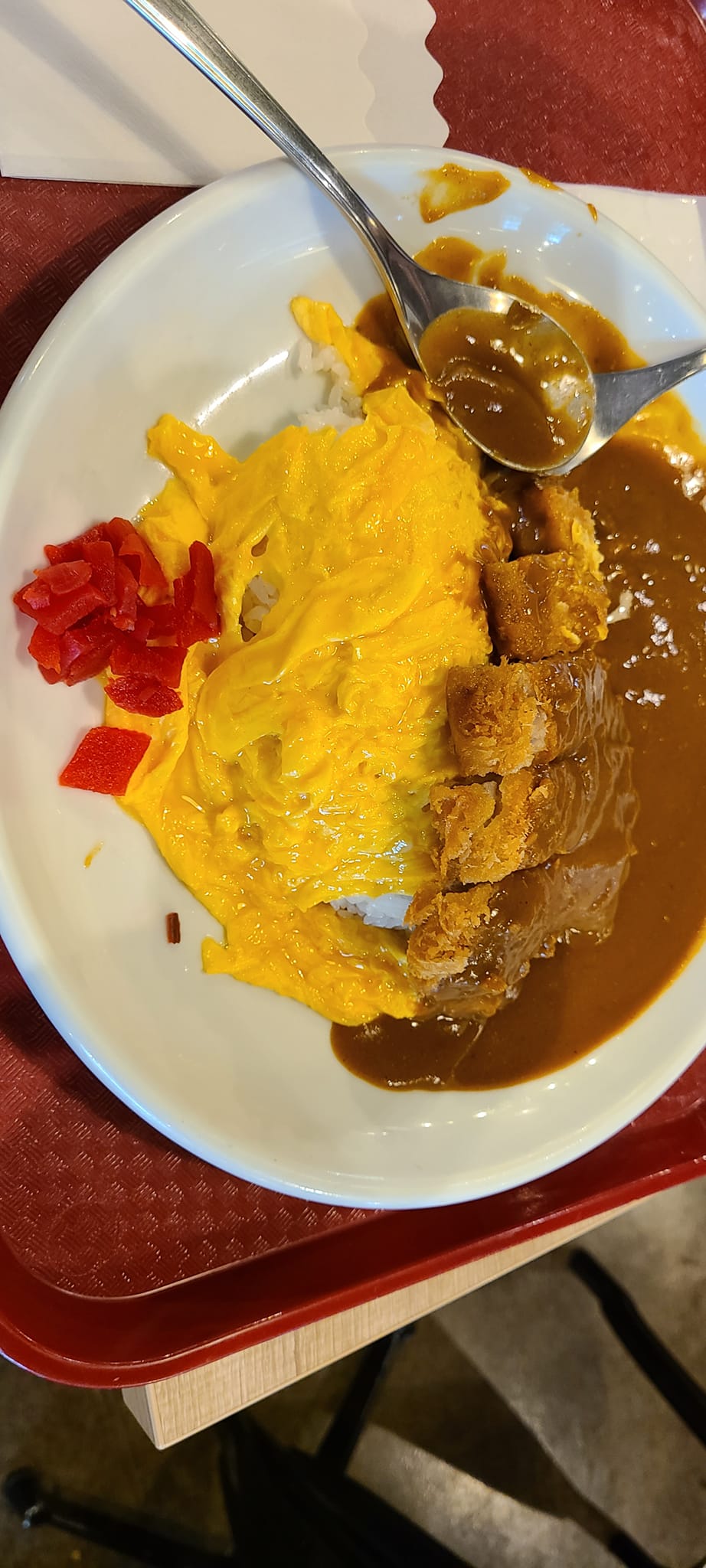
Along the riverwalk in Yokohama, we stumbled upon a local flower competition, and the assortments on display were incredible! With close proximity to Yokohama Red Brick Warehouse (Akarenga Soko), based off of research, this seemed to be the Flower Garden they host. The Yokohama Red Brick Warehase was similar to an outlet shopping center, it houses 60 shops and restaurants, making it an amazing stop if you are in Yokohama! I enjoyed some delicious omurice, apple and cherry pies, and pork chashu bowls while here.


Japanese Food I Enjoyed While Traveling Through Tokyo, Kyoto, Osaka, and Hiroshima
One of the most memorable parts of traveling through Japan was the food. From quick bites at street vendors to late-night vending machine drinks and meals from convenience stores, Japan made it incredibly easy to eat well no matter where I was traveling. The food was healthy and tasted so amazing!
Street Food in Japan
Japan’s street food culture is a must-experience part of traveling through the country. While many people associate Japanese cuisine with restaurants, some of the most memorable flavors can be found at small food stalls, markets, and quick takeaway counters scattered throughout cities like Osaka, Kyoto, and Tokyo. Walking through these areas, the aroma of grilled meats, sweet pastries, and savory snacks fills the air, making it nearly impossible not to stop and try something.
One thing I appreciated about street food in Japan was the incredible attention to quality. Even quick snacks felt thoughtfully prepared, with fresh ingredients and careful presentation. Whether grabbing something small between sightseeing or enjoying a quick bite while exploring a busy district, the street food scene adds a level of spontaneity and discovery to traveling through Japan.
Restaurants in Japan
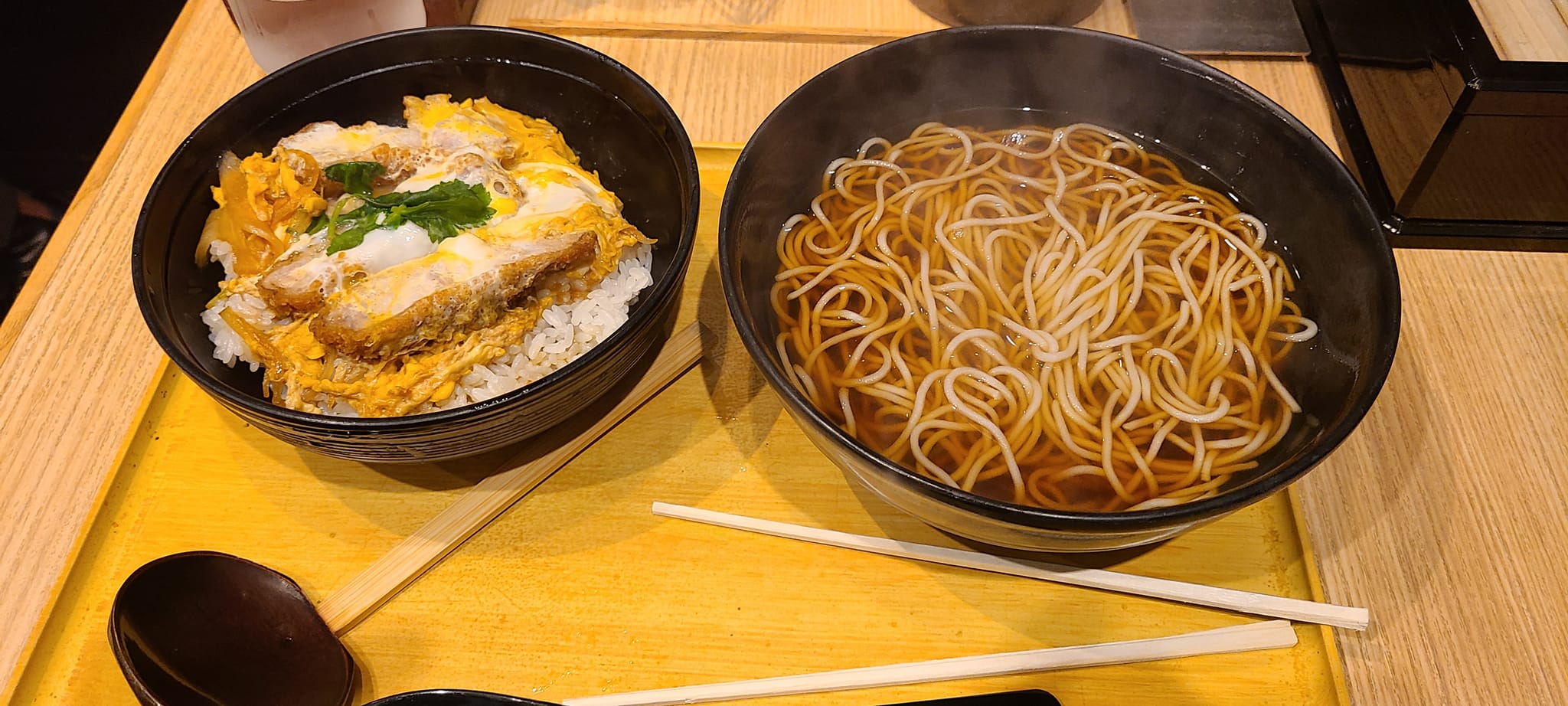
Dining at restaurants in Japan was one of the most enjoyable parts of this trip. Whether visiting a small neighborhood shop or a busy restaurant in the shopping district, the level of care put into each dish was impressive. Even simple meals felt refined, and it was very clear Japan takes food quality seriously.
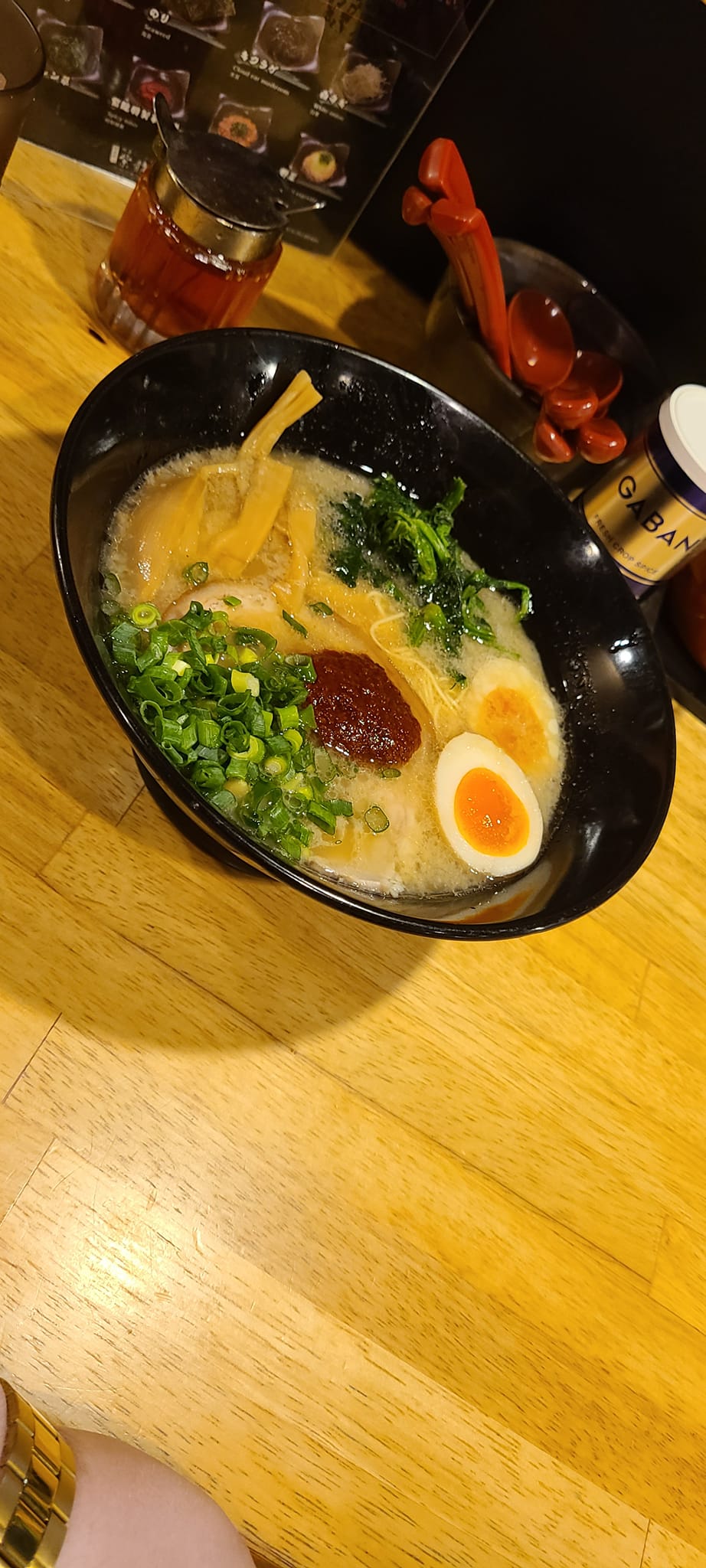
One thing that stood out was how accessible great food was everywhere. You didn’t have to search for top-notch restaurants to enjoy a delicious meal. Many of the best restaurants I enjoyed were from modest-looking restaurants tucked along quiet streets. From comforting bowls of ramen to intricately prepared omurice, eating at restaurants throughout Japan was a major highlight of the journey.
Restaurant tips for Japan
Restaurants in Japan did come with another experience that I would not have been prepared for had I not did some research. Many locals tend to eat at home or grab something from the local convenience store, so finding a spot for breakfast may be a bit tricky. There are bakeries and a few eateries, but I found grabbing breakfast from convenience stores to hit the spot!
Many restaurants in Japan typically will open between 10:00 AM and 11:00 AM for lunch, and then they will close between 2:00 PM and 4:00 PM to prepare for dinner. Typical dinner opening hours are between 5:00 PM and 6:00 PM. It is best to plan your lunch and dinner times on your travel itinerary to ensure you get to a restaurant within it’s operating time. Fret not, there are restaurants that stay open without closing hours so you won’t be without options to dine.
Tipping Culture: Do not tip in Japan! The locals may find it rude and they will refuse
Convenience Store Food in Japan: 7-Eleven, Family Mart and Lawson
Convenience stores in Japan are on an entirely different level! Chains like 7-Eleven, Lawson, and FamilyMart offer an impressive selection of freshly prepared meals, snacks, and drinks that make for an easy and reliable option for travelers on the move. With great prices, great flavors, and a variety of options, convenience stores in Japan are an excellent choice for meals.
Many convenience store options make for great breakfasts or late-night snacks after a long day of exploring. I stopped by one every morning for breakfast and to purchase a few drinks to begin my day. Fresh sandwiches, noodles, rice, pastries, and complete meals are available. For travelers moving between cities or catching early trains, Japan’s convenience stores become an essential part of the experience!
Japan’s Vending Machine Culture
One of the most unique experiences of traveling through Japan is the sheer number of vending machines you;; encounter. They appear almost everywhere – quiet residential streets, in and outside train stations, even rural areas! While vending machines are common around the world, Japan has elevated them into a convenient and reliable part of everyday life. With machines ranging options from drinks, hot canned soups,hot canned coffee, hot meals, popcorn, cotton candy, ice cream and more, there is a vending machine for seemingly everything.
It was very convenient to grab an item from a vending machine at almost any time we wanted something. Walking between train stations, sightseeing, or enjoying a lovely park, there was always a vending machine not too far away to get something. After getting breakfast, I would also stop by nearby vending machines and get a drink or two to carry around on my adventure so I always had a drink.
Vending Machine Tip: Most of the prices for drinks and snacks from vending machines are pretty low. If you are walking around and find a vending machine priced higher than you are used to seeing, typically we can walk a block or two more to get the better prices.



Conclusion: Reflecting on My Visit to Japan
Traveling through Japan for the first time turned out to be one of the most memorable experiences I’ve ever had. From the quiet neighborhoods of Shin-Osaka to the serene scenes of Kyoto, the reflective atmosphere of Hiroshima, and the vibrant energy of Tokyo, every stop along the journey offered something unique. What stood out most was how easily these cities connected through Japan’s incredible train system, making it possible to explore so much of the country in a relatively short time.
Using the Shinkansen made traveling between cities fast and comfortable.. For anyone planning a similar itinerary across multiple destinations, the Japan Rail Pass can quickly become one of the most valuable tools for getting around. The trains were reliable, easy to navigate, and added another layer of enjoyment to the trip as the scenery of Japan rolled past the window.
Of course, no trip to Japan would be complete without experiencing the food. Whether it was local street stalls, delicious meals at small restaurants, quick breakfasts from convenience stores like 7-Eleven or Lawson, or grabbing something from one of Japan’s countless vending machines, every meal was part of the experience. Japan’s food culture makes it easy to find something satisfying almost anywhere you go.
Looking back, this journey through Osaka, Kyoto, Hiroshima, and Tokyo gave me a deeper appreciation for the variety Japan offers travelers. Each city has its own personality, atmosphere, and experiences waiting to be discovered. For anyone planning their first trip to Japan, I highly recommend embracing the adventure, exploring multiple cities, and letting the country surprise you along the way.
Japan has a way of blending tradition, technology, and everyday life into something truly special. And if this trip taught me anything, it’s that one visit to Japan is never enough.
Thank you for joining me for this adventure, if you’d like to follow along for more stories, hit that button below. And as always – It’s Turtle Time!


Leave a Reply